
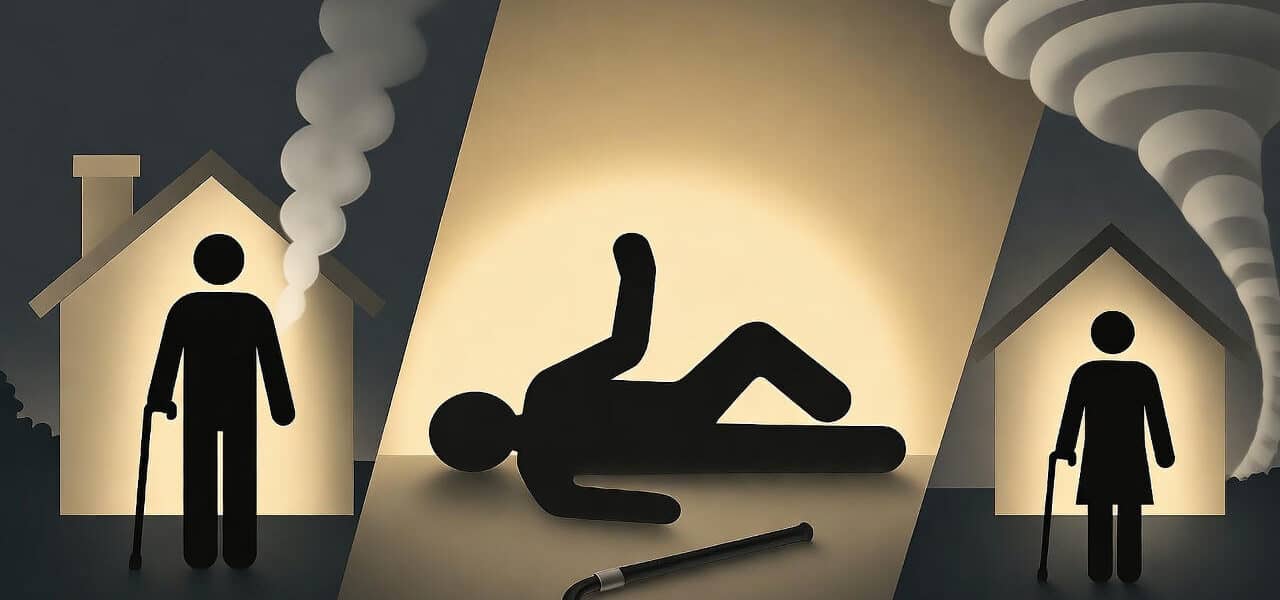

In senior living communities, a sudden fall or dangerous event calls for lightning-fast action. Quick and clear communication can mean the difference between life and death while easing worries for families and staff. Emergency alert systems do way more than just ring loudly—they offer residents a way to call for help right away and bring calm to everyone around. Understanding how these systems operate and why they’re so important flips the safety switch in senior homes. Dive in to uncover the unexpected ways these alerts create real protection when every second matters.
We will walk through common risk scenarios for older adults, describe how alerting systems work in properties that use modern technology, offer practical implementation tips for managers and family, and point to measurable outcomes operators can track. The goal is practical: help providers and families pick and run systems that actually help people when seconds count.
Why emergency alerts are essential for senior living communities
Older adults face a range of sudden health and safety risks including falls, cardiac events, respiratory distress, and environmental hazards such as fires or gas leaks. Rapid recognition and response can reduce medical complications, cut hospital stays, and improve recovery. For staff and families an effective alert system shortens the time between incident and help arriving which frequently matters more than the brand of equipment used.
Beyond immediate health outcomes there are operational effects. Faster response lowers liability exposure, reduces overtime costs tied to long emergency responses, and helps maintain a calm environment. Residents who live in communities that handle emergencies efficiently report higher satisfaction and are more likely to recommend the facility to others. From staffing to legal exposure, an alert system touches many parts of running a residence.
How modern alert systems function in technology enabled residences
At a simple level an alert system detects an incident and notifies the right person or team. Detection may come from wearable devices that sense sudden motion changes, sensors that monitor air quality or water leaks, or pull stations placed in common areas and private rooms. Once an event is detected the system routes notifications to trained responders and to family members as configured.
Key functional components include detection, verification, routing, and logging. Verification reduces false alarms by combining multiple data points or using brief checks before escalating. Routing directs the message to the person most likely to respond effectively such as on duty staff, a nearby nurse, or emergency services. Logging provides an audit trail that administrators can review after the event.
Detection methods and their trade offs
Wearables provide continuous monitoring and mobility tracking which is valuable for residents who move about the property. Environmental sensors are useful to spot issues that affect multiple people. Manual pull stations are reliable when residents or staff see an event and can trigger help immediately. A mix of methods covers gaps and reduces single points of failure.
Verification strategies that reduce false alarms
Simple verification can be a silent check notice sent to a caregiver asking for confirmation before escalating. More advanced setups cross reference a wearable’s fall detection with a motion sensor in the room. The goal is to keep staff focused on real incidents and to maintain trust in the system among residents and family.
Common emergencies among older adults and how alerts help
Understanding which scenarios occur most often helps prioritize where to place devices and how to route responses. Falls are frequent and often cause serious injury. Cardiac and respiratory events are time critical and benefit from immediate staff intervention. Environmental problems such as fires, floods, and carbon monoxide exposure can threaten many people at once and require coordinated evacuation procedures.
Falls and medical events
Falls account for a high share of emergency room visits for older adults and detecting them quickly reduces the time a person lies unattended. A wearable that sends an immediate notification to nearest staff cuts response time. In addition a recorded time stamp and location helps EMS arrive prepared.
Environmental hazards
Smoke and gas sensors linked to a central alert system can notify staff and residents of rising danger before smoke spreads through the building. Early alerts allow controlled evacuations and help staff focus on residents with mobility limits first.
Integration with staff workflows and family notifications
An alert is only as good as the response it triggers. Integration with staff workflows means alerts appear in tools staff already use and escalation paths mirror practical responsibilities. For example notifications can appear on handheld radios and on a central dashboard at the nurse station. When staff respond they update the system which prevents parallel, duplicated efforts.
Family notification options vary. Some relatives want immediate push notifications while others prefer a summary call only if an incident escalates. Good systems allow per-resident preferences so families are informed in the way they want without overwhelming staff with communication tasks.
Design considerations for effective alerting systems in residences
Selecting and placing devices requires an eye toward resident behavior, building layout, and staffing patterns. Use data on where incidents occur to guide placement. For example if a high percentage of falls happen in bathrooms place water resistant sensors and ensure wearable help buttons are easy to press when hands are wet.
- Visibility and accessibility place manual call devices where residents can reach them
- Redundancy pair wearables with in-room sensors so single device failure does not create blind spots
- Power and connectivity include battery backups and dual network paths to prevent outages from silencing alerts
- Privacy set clear policies on when monitoring is active and how data is stored
Real world examples and measurable outcomes
Several communities report measurable reductions in response time and in hospital transfers after installing targeted alert systems. In one case study a building reduced average staff arrival time from seven minutes to under three. That change led to fewer ambulance transports and lower emergency room admissions for non life threatening injuries. Another operator improved resident satisfaction scores because families appreciated faster, clearer updates during incidents.
Metrics to track include average response time, number of false alarms, percentage of incidents resolved on site, and family notification satisfaction. Tracking these figures month to month helps managers make informed decisions and justify budget allocation.
Implementation tips for operators and family members
Start with a pilot in a single wing or building and collect data for at least three months. A short pilot highlights configuration issues and shows how staff interact with the system. Train staff on both the technology and the incident protocol so nobody is left guessing what to do when an alert arrives. Train new staff on day one and refresh skills regularly.
For families there are practical steps. Review notification preferences during move in and update contacts immediately when phone numbers change. Encourage residents to wear devices and to keep them charged. If a resident resists wearable use try alternatives such as bedside call buttons or motion sensors in commonly used rooms.
Make documentation simple. One page quick reference checklists for staff speed decision making during the first crucial minutes. Use scenario based drills to test both technology and human response and log results for follow up.
When you want a deeper exploration of how emergency notification can be part of a property wide safety program consider reading specialist material that focuses on monitoring and real world outcomes. For a focused look at why alerting matters and practical tips for deployment read this piece on emergency alerts which includes examples and operator perspectives.
Budgeting and procurement considerations for lasting success
Cost often determines which option a community chooses. Total cost of ownership includes initial hardware fees, licensing, installation, staff training, and ongoing maintenance. When evaluating vendors request sample workflows that show how the system handles common incidents and ask for references from similar sized communities. Insist on clear service level commitments for response from the vendor and for any cloud services used by the system.
Remember that a low initial price may hide higher long term costs if devices need frequent replacement or if false alarms create ongoing staff overhead. Look for predictable pricing and a pragmatic support model so the system is sustainable over several years.
In closing it is clear that reliable, well designed emergency alert systems are central to safe senior living. They shorten response time, reduce unnecessary hospital transports, and improve communication with family. Beyond technical specifications thoughtful deployment, ongoing training, and careful monitoring of outcomes turn a system into a living safety practice that enhances daily life for residents and staff.
Take the next step evaluate your current alerting approach and run a small scale test this quarter. Engage staff and family early and collect response time data to measure real impact. If you manage a community start conversations with vendors and peers and schedule a pilot. If you are a family member ask your provider what notification options are in place and how incidents are logged and shared. Quick action and steady attention will make a meaningful difference in resident safety and in overall community performance. Reach out to partners and peers for examples and plan specific changes to try within 90 days.


