
As our loved ones grow older, their needs often change, and the homes they cherish might not always keep pace. I have seen firsthand how much peace of mind comes from knowing a senior family member can live safely and comfortably in their own home. Modifying a living space is not just about making it safer but also about making it truly their own again, a place that supports their independence and dignity.
This process of adjusting a home can feel overwhelming. Many people worry about cost or disruption, but with careful planning, it becomes a smooth and rewarding experience. My goal here is to share practical insights and actionable steps so you can confidently customize homes for aging loved ones.
By focusing on key areas, we can create environments that support well-being and allow seniors to thrive. It is about anticipating future needs while honoring the past memories tied to a home.
Prioritizing Safety and Accessibility in Home Modifications
Safety is the first and most important consideration when customizing a home for an aging loved one. Falls are a major concern for seniors, and many hazards in a typical home can increase this risk. I always start by looking at things like uneven surfaces, poor lighting, and difficult-to-reach areas.
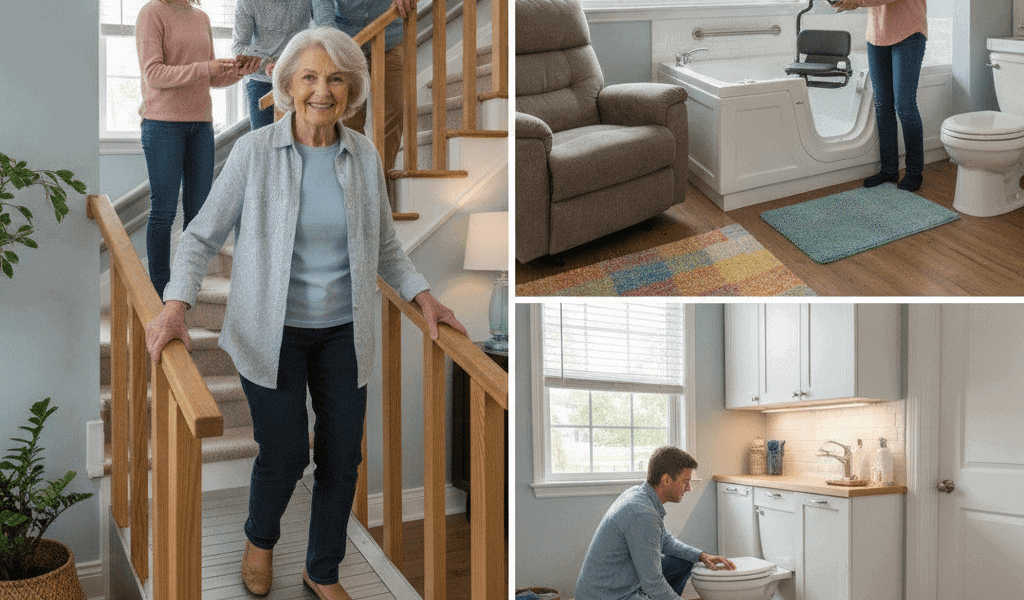
Simple structural changes can make a world of difference. Installing grab bars in bathrooms, widening doorways, or replacing stairs with ramps are examples of foundational improvements. These changes are not just for emergencies, but they make daily routines easier and less stressful for everyone involved.
We want to remove obstacles that can lead to accidents. This means thinking about how someone moves through their home. We consider what they touch, where they step, and how they interact with common fixtures and appliances.
Entryway and Hallway Improvements
The entryway is often the first point of contact with a home, and it can present challenges for seniors. I suggest ensuring there is good lighting right at the door. Motion-activated lights can be very helpful because they turn on automatically when someone approaches. Eliminating thresholds or using low-profile ramps for small height differences helps prevent tripping.
Inside, hallways need to be clear and wide enough for walkers or wheelchairs. I recommend removing any clutter, loose rugs, or furniture that could block a clear path. Handrails installed along long hallways provide stable support and can increase confidence for those with balance issues. These seemingly small adjustments contribute greatly to a senior’s ability to move freely and without fear of falling.
Bathroom Safety Enhancements
Bathrooms are high-risk areas because of wet surfaces and tight spaces. I emphasize grab bars near the toilet and in the shower or tub as essential. A walk-in shower with a low or no threshold is ideal, but a transfer bench for a standard tub can also work well. Non-slip mats or textured flooring are critical to prevent slips.
Raising the toilet seat height or installing a toilet with built-in armrests can make getting up and down much easier. I also suggest lever-style faucets instead of knobs, which are simpler for arthritic hands to operate. Good ventilation and consistent water temperature control also add to comfort and safety, preventing scalding or chilling.
Enhancing Comfort and Convenience for Daily Living
Beyond safety, making a home more comfortable and convenient significantly improves the quality of life for aging individuals. It helps them maintain their independence for longer. I often think about how to reduce physical strain and simplify everyday tasks.
This includes adjustments that make it easier to reach items, open doors, and control household systems. Adaptive technologies play a large role here. They offer practical solutions that blend seamlessly into the home environment. The goal is to create a living space that truly serves the individual’s needs rather than creating new frustrations.
Kitchen Adaptations for Senior Use
The kitchen is a central hub in many homes, and making it senior-friendly means focusing on accessibility and ease of use. I find that pull-out shelves in cabinets can eliminate the need for bending and reaching into deep spaces. Lowering countertops in certain areas or installing adjustable-height work surfaces allows for comfortable food preparation, whether standing or seated.
Appliances like side-by-side refrigerators, wall ovens, and induction cooktops with automatic shut-off features are safer and easier to use. Lever-handle faucets are again a good choice here. Good lighting, particularly task lighting over work areas, is also vital for visibility and safety when cooking. This allows seniors to continue enjoying their kitchen activities safely.
Smart Home Devices for Ease of Use
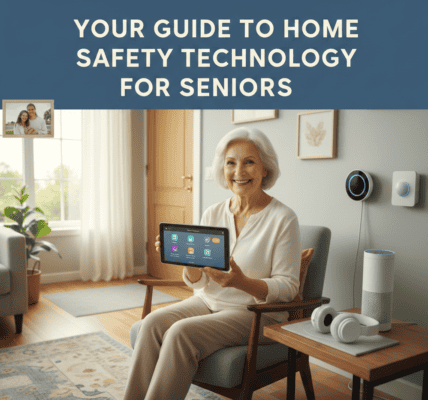
Smart home technology offers incredible benefits for seniors and their caregivers. I often recommend smart lighting systems that can be controlled by voice or a smartphone app. This avoids fumbling for light switches in the dark. Smart thermostats allow for easy temperature adjustments, which is important for comfort.
Automatic door locks, video doorbells, and personal emergency response systems add layers of security and reassurance. Smart speakers can remind seniors about medication schedules or appointments. These devices integrate into daily life, making tasks simpler and offering peace of mind to both the senior and their family members. We can set up many of these systems quite easily.
Thoughtful Design for Cognitive and Emotional Well-being
The design of a living space impacts more than just physical movement. It also deeply affects a person’s mood, memory, and overall cognitive health. I believe a home should be a sanctuary, especially for aging individuals. It needs to foster feelings of security, familiarity, and joy.
Careful consideration of colors, textures, and personal items can create a calming and stimulating environment. The idea is to reduce confusion and anxiety while promoting engagement with their surroundings. This thoughtful approach to design supports mental and emotional health.
Creating spaces that are both functional and comforting is a true art. We want the home to feel like home, not a medical facility. Incorporating elements that are personally meaningful to the senior helps achieve this. It maintains a strong connection to their identity.
Lighting Solutions for Visual Comfort
Adequate and well-designed lighting is crucial for seniors because vision often declines with age. I suggest using a mix of ambient, task, and accent lighting to illuminate rooms evenly and reduce shadows. Brighter lighting helps with reading and other close-up tasks. However, it is important to avoid harsh glares that can be uncomfortable.
Dimmers on light switches allow for adjustable brightness, which helps with changing light conditions throughout the day. Natural light is also very beneficial so keeping windows clear and using sheer curtains can maximize its presence. Nightlights in hallways and bathrooms provide a sense of security and prevent falls during nighttime trips.
Long-Term Planning for Evolving Needs
When we customize a home for aging loved ones, it is wise to think beyond their current situation. Needs can change over time, so a flexible approach to home modifications saves effort and money in the future. I always encourage families to consider a phased approach, starting with immediate needs and then planning for potential future adjustments.
This might involve structural changes that are easy to expand upon later. For example, reinforcing bathroom walls for grab bars even if not installed immediately is a smart step. Understanding the potential progression of age-related conditions helps in making informed decisions now. This ensures the home can adapt as life unfolds.
Considering Professional Assistance
Sometimes, the scope of home modifications goes beyond simple DIY projects. I often recommend consulting with professionals who specialize in aging-in-place design or occupational therapy. These experts can offer valuable insights and suggest solutions that you might not have considered. They understand the specific needs of seniors and the best practices for creating accessible environments.
An architect or contractor with experience in universal design can help plan significant renovations. A qualified professional can ensure that changes comply with safety standards and are truly effective. This expertise can be a worthwhile investment. It ensures the home supports the senior’s well-being for many years.
Financial Aspects of Home Customization
Addressing the financial side of home customization is a practical step for many families. I understand that the costs can vary greatly depending on the extent of the modifications. However, I believe investing in these changes is often less expensive than long-term care facilities or repeated hospital visits due to home accidents.
It is important to create a budget and explore all available funding options. Many government programs, local non-profits, and even some insurance plans offer financial assistance for home modifications that support aging in place. Tax credits might also be available for certain accessibility improvements. I encourage families to research these options thoroughly. It can significantly ease the financial burden of making a home safer and more comfortable.
Empowering Independence Through Personalized Spaces
The ultimate goal of customizing a home for an aging loved one is to empower their independence. A well-designed home means they can perform daily tasks without constant assistance. This boosts their confidence and overall sense of self-worth. I have seen the positive impact this has on individuals. They feel more in control of their lives. When we tailor a living space to their preferences and needs, we are doing more than just renovating.
We are creating an environment where they can continue to thrive on their own terms. This involves considering their hobbies, routines, and personal style. For example, if they love to read, a comfortable chair with good lighting is important. If they enjoy gardening, an accessible outdoor space can bring joy. The little details truly matter for senior home personalization. It ensures the home remains a true reflection of who they are, fostering continued engagement with life.
Making Your Home a Haven for Seniors
Customizing a home for aging loved ones is a thoughtful and necessary step in supporting their well-being and independence. We have explored many areas, from essential safety modifications like grab bars and improved lighting to convenience enhancements such as smart home technology and adapted kitchens. We also touched upon the importance of thoughtful design to support cognitive and emotional health, creating spaces that feel both familiar and safe. Thinking about long-term needs and understanding the financial aspects helps make the process smooth and manageable.
I believe that by carefully planning and implementing these changes, we can help seniors live fulfilling lives in their cherished homes for many years. It is about creating an environment that respects their journey and provides comfort, security, and the freedom to live life fully. I urge you to begin this important conversation with your family today. Start small if needed, but start building a safer, more personalized haven for your aging loved ones. Your efforts will make a lasting positive difference in their lives.